When the Badge Comes Off
When the Badge Comes Off
The Silent Crisis Facing Medically Retired Police Officers
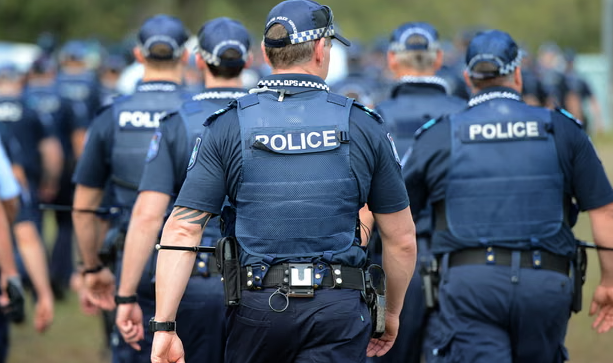
Every Australian knows the iconic image of a police officer. The uniform, the oath, the responsibility that never really switches off. What most Australians never see is the part that happens after the service ends. The part where officers who have protected communities for decades find themselves medically retired, alone, overwhelmed, and fighting a completely different battle.
We are seeing this firsthand. In recent months, four Queensland Police Officers have reached out to us after being medically retired. Each story is different, yet hauntingly similar. PTSD, psychological injury, complex trauma, and the cumulative weight of a job that chips away at the human spirit.
Then a civil payout, a glimmer of hope for stability. Yet the moment they step away from the force, they enter an entirely new system that feels less like support and more like combat.
And at the centre of that fight sits QSuper, the super fund/insurer, and the endless maze of paperwork, demands, and threats that come with the medical retirement and TPD process.
This is not an attack. This is simply the truth of what these officers are facing.
The New Battle After the Badge
Every officer we have supported described the same experience. The moment their employment ends, the support ends too. The tone changes. The empathy disappears. Instead of care, they receive long forms, aggressive deadlines, confusing medical requirements, contradictory instructions, and call centre conversations that leave them feeling small.
The worst part is many of these officers are already dealing with PTSD, anxiety, chronic stress, and deteriorating health.
Yet they are asked to:
Complete extensive forms
Provide multiple doctor reports
Attend repeat appointments
Explain their trauma again and again
Prove their incapacity
Then prove it again
And again
One officer looked at us and said something that will stay with me forever.
“If it was not for my granddaughter, I would not be here. I would not have dealt with the rubbish that the force, workers comp, and now the super fund and insurer are putting me through. Now I understand why suicide in the force is so high when we get treated like this. Chewed up and spat out.”
This is not an isolated comment. This is the theme.
The Human Cost of Administrative Trauma
There is a psychological term called “secondary trauma” which describes trauma that occurs after the initial injury. The TPD and medical retirement process is a perfect example of this.
Imagine being asked to relive the worst moments of your life, repeatedly, in writing, in interviews, in doctor’s reports, to strangers. Imagine receiving threatening letters that your benefits will be cut off if a form is not returned within fourteen days. Imagine juggling paperwork while managing panic attacks, night terrors, emotional fatigue, withdrawal from your old identity, and the guilt of not being able to serve anymore.
One officer told us:
“It feels like they hope you will give up.”
Another said:
“I served twenty years keeping people alive and safe. Now I cannot even get my own fund to treat me like a person.”
This is what medical retirement really looks like in Australia for too many who have spent their careers protecting us.
QSuper, Insurers, and the Burden They Place on Vulnerable Australians
QSuper is a respected fund with long standing ties to the Queensland public sector, but the experience these officers are having is concerning. The insurer process is complex, high friction, and often adversarial in tone.
We are seeing:
Requests for repeat medical reports even when specialists have already confirmed permanent incapacity
Conflicting instructions between the super fund, insurer
Delays in decision making that create stress and uncertainty
Forms being rejected due to minor administrative issues
Calls from officers saying they feel threatened or intimidated
You cannot design a more damaging process for someone already struggling with PTSD.
This is where vulnerable Australians break.
This is where people fall through the cracks.
This is where families pay the price.
Where We Step In
We cannot undo the trauma. We cannot erase what they have lived with for years. But we can give clarity, structure, and protection at the exact moment life feels completely out of control.
For medically retired officers, we support with:
Understanding entitlements
Organising the paperwork
Managing communication with super funds and insurers
Ensuring strategies protect the civil payout
Reducing tax where possible
Protecting assets for long term stability
Building a plan to fund everyday living without stress
Preparing for Centrelink DSP or NDIS if appropriate
Planning for estate and long term financial security
The message is simple. You do not have to do this alone.
Why This Article Matters
If four police officers have come to us in a short space of time, how many more are suffering in silence.
How many are stuck in paperwork.
How many are feeling threatened.
How many are too ashamed to ask for help.
How many think they are the problem, when the system is the problem.
The public sees the proud moments of service. They rarely see what happens when officers are injured, when their careers end abruptly, when the badge is taken away and the paperwork begins.
These officers have given a lifetime of service. The least they deserve is a process that does not break them further.
A Message to Any Officer Struggling Right Now
You are not weak.
You are not failing.
You are not alone.
Medical retirement is not the end of your story. There are strategies, support, and clear next steps that can help you rebuild financially and emotionally.
If you or someone you know is facing the Queensland Police medical retirement process, or trying to navigate QSuper and insurer obstacles, we are here.
Your life is worth more than paperwork.
Your wellbeing matters more than a processing deadline.
And your future deserves a plan that gives you back control.